
5 Best Credit Cards for Study Abroad and Working Holidays: A 5-Factor Comparison
Right after landing in Australia, I needed to pay a deposit for housing -- and whether my Visa card worked immediately on the ground made a huge difference in how quickly I could get things done. When choosing a credit card for a long overseas stay, focusing on five practical factors -- international brand, fees, insurance, ATM access, and issuance speed -- leads to better decisions than chasing reward points.
This article compares five Japanese credit cards -- Epos Card, Rakuten Card, JCB CARD W, Mitsui Sumitomo Card (NL), and Saison Blue American Express Card -- using the same criteria, so anyone heading abroad for study or a Working Holiday can settle on a primary card plus one backup. Credit card travel insurance is useful, but most policies cap coverage at three months per trip, so stays beyond 90 days realistically call for separate insurance as well.
Why You Need a Credit Card for Study Abroad or a Working Holiday
Five Situations Where a Card Becomes Essential Overseas
During study abroad or a Working Holiday, the moments where you simply cannot proceed without a credit card outnumber those where cash alone will get you by. JCB's 2024 data shows that 95% of people in Japan use some form of cashless payment, 87% hold a credit card, and the average person carries 2.8 cards. Owning a card overseas is less about convenience and more about having basic infrastructure for daily life.
The first unavoidable scenario is airline tickets and online payments. Language school enrollment fees, flights, local tours, ride-hailing apps, subscriptions, and online shopping almost always assume a credit card as the default payment method. A credit card works by having the card issuer front the purchase amount, which is then debited from your bank account later -- a structure explained by the Japan Credit Association and JCB alike. Because of this deferred-payment model, issuance requires identity verification and a bank account in your name. If you wait until the last minute, you may not receive the physical card in time, which is why issuance speed matters more than you might expect.
The second common situation is security deposits for hotels and accommodation. I was asked for a deposit at hotel check-in on my very first day in the country. Cash was not accepted -- only a credit card. After a long-haul flight, there was no energy left to hunt for a currency exchange or an alternative payment method. Handing over a card and heading straight to the room was a genuine relief. How smoothly your arrival day goes often comes down to moments like this.
Third is mobile phone plans and SIM or eSIM contracts. Prepaid SIMs for short-term travelers sometimes accept cash, but study abroad and Working Holiday stays tend to involve monthly plans or auto-renewing subscriptions. That means a card capable of recurring charges is frequently required. Housing contracts and utility registrations can also ask for credit card details upfront.
Fourth is rental cars and certain transportation services. Beyond the actual usage fee, a hold may be placed for potential damages or late returns. Debit and prepaid cards sometimes get declined in these situations. A credit card, with its ability to secure a credit line for deferred payment, tends to clear these holds -- a distinction that becomes very real on the ground.
Fifth is when you suddenly need cash. If your credit card has a cash advance limit set up, you may be able to withdraw local currency from overseas ATMs. This is not something to rely on regularly, but it serves as a safety net when you arrive without enough cash or the exchange bureaus are closed for the weekend. When evaluating cards for study abroad or a Working Holiday, whether cash advances are available is worth checking.
Beyond the card name itself, how widely the international brand is accepted matters. Visa and Mastercard are reported to be accepted in over 200 countries and regions worldwide, making them strong primary candidates for long stays. JCB and American Express, meanwhile, vary by country and merchant. When I was in Canada, JCB was declined at several stores in a row, creating some awkward moments at the register. After switching to a Mastercard from my wallet, the transaction went through immediately -- a reminder that brand differences feel far more real in practice than on a comparison chart.
Foreign transaction fees are determined by the card issuer's markup on top of the international brand's base exchange rate. Comparison data reports a range of roughly 1.6% to 3.85%, and even cards on the same brand network can differ depending on the issuer. Choosing solely by annual fee can lead to cost surprises during a long stay.
Relying on a single card for study abroad or a Working Holiday is genuinely risky. The reason is simple: the day it stops working will come without warning. Loss, theft, magnetic strip or IC chip failure, temporary suspension due to suspected fraud, hitting your credit limit, or the merchant not supporting your card's brand -- none of these are rare.
Overseas, the difficulty is often that you cannot immediately diagnose the problem. You do not know whether it is a card malfunction, a terminal issue at the store, or brand incompatibility, and time just ticks away at the register or front desk. Having a second card on a different international brand lets you switch on the spot. The Visa-Mastercard combination is considered the standard because both have similarly broad merchant networks, giving you an escape route if one hits a wall. A JCB-branded card like JCB CARD W has appeal in contexts serving Japanese travelers, but since acceptance varies by region overseas, it often works better as a secondary card rather than the sole primary.
Carrying two cards is not overkill, either. With JCB reporting an average of 2.8 cards per person, using multiple cards is normal even domestically in Japan -- let alone during an overseas stay. One extra card in your wallet adds minimal bulk but significantly reduces your exposure to trouble.
When building a two-card setup, the key is to differentiate their roles rather than simply adding a spare. For example, a card with instant digital issuance like Mitsui Sumitomo Card (NL) is a strong candidate when departure is imminent. Cards with no annual fee for life, like Epos Card or Rakuten Card, keep maintenance costs low. A card like Saison Blue American Express, which leans into travel perks, is best evaluated against its annual fee. A practical framework: start with one free Visa or Mastercard, then add a second brand based on insurance or perks.
From an insurance standpoint, not depending on a single card also makes sense. Travel insurance attached to credit cards comes in two types -- automatic coverage and usage-based coverage. As explained by Mitsui Sumitomo Card and Sompo Japan, usage-based coverage requires that you pay qualifying travel expenses (such as airfare or public transit to the airport) with that specific card. Holding an insurance-bearing card does not guarantee coverage if the conditions are not met. Moreover, credit card travel insurance is generally designed with a maximum of three months per trip, so it will not cover an entire long-term study abroad or Working Holiday stay. That is precisely why splitting roles between a payment card and a supplementary card is more realistic than loading everything onto one.
クレジットカードの仕組みとは?支払い方法や便利な使い方を初心者にもわかりやすく説明
www.jcb.co.jpHow Credit Cards, Debit Cards, Prepaid Cards, and Cash Divide the Work
Rather than committing to a single payment method on the ground, building around a credit card and assigning supporting roles to everything else tends to work best. The credit card is the backbone; debit cards, prepaid cards, and cash each serve a different purpose.
The strengths of a credit card, as covered above, center on deferred payment with a credit line. Hotel deposits, online transactions, recurring charges, airfare, and emergency cash advances -- these are the situations that come up constantly during study abroad or a Working Holiday. The comparison axes are also straightforward: international brand, foreign transaction fee, whether travel insurance is automatic or usage-based, cash advance availability, annual fee, and issuance speed cover most of the practical ground.
A debit card draws directly from your bank balance, which helps prevent overspending. It works well for everyday shopping and ATM withdrawals, but it is often at a disadvantage for hotel or rental car deposits, meaning it cannot fully replace a credit card. A prepaid card offers even tighter spending control and is convenient for budgeted living expenses, but restrictions on accepted merchants and use cases make it difficult to rely on as a primary tool.
Cash cannot be eliminated entirely. Local mom-and-pop shops, markets, regions with a tipping culture, and small transit payments still call for it. However, centering your finances around cash leaves you vulnerable to large payments on arrival, booking changes, refund processing, and online transactions. In practice, cash tends to settle into a role closer to "nice to have a bit on hand" than "absolutely necessary."
💡 Tip
For study abroad and Working Holidays, structuring your payment methods with a credit card as the primary tool, a debit or prepaid card for budgeted living expenses, and a small cash reserve tends to balance usability with manageable finances.
On cost, cards with no annual fee are easy to adopt and work well as a first card. Epos Card, Rakuten Card, and Mitsui Sumitomo Card (NL) all carry permanent zero annual fees, and JCB CARD W is also free for life if you join before age 40. On the other hand, cards like Rakuten Premium Card (annual fee of 11,000 yen (~$73 USD), tax included) or Saison Blue American Express offer richer travel perks and insurance at a cost. This is not a matter of one being better -- the right call depends on whether you are headed for a short study program or a longer Working Holiday.
Issuance speed also factors into role assignment. Mitsui Sumitomo Card (NL) advertises approval and card number display in as little as 10 seconds, and JCB CARD W advertises card number issuance in as little as 5 minutes. Cards that let you use the number before the physical card arrives are particularly useful for completing online payments before departure. That said, insurance terms and cash advance settings are separate from issuance speed and vary by card. This is exactly why these practical factors deserve attention before reward rates.
How to Choose a Credit Card for Study Abroad or a Working Holiday: 5 Key Factors
Before looking at rankings, clarifying which factors prevent mistakes lets you narrow the field considerably. The axes that matter for study abroad and Working Holidays are more practical than reward-focused. Specifically, evaluating 1) brand versatility, 2) foreign transaction fees, 3) travel insurance type and coverage period, 4) cash advances and overseas ATM usability, and 5) annual fee and issuance speed keeps you out of trouble on the ground.
Even in my experience fielding questions, regrets like "I wish I had made Visa or Mastercard my primary" or "I only found out after arriving that the insurance expired at 90 days" far outnumber "I chose this card for the high point rewards." Here, I will walk through the decision criteria worth understanding before you open any comparison chart.
Choosing Between International Brands
The first thing to look at when selecting a card for study abroad or a Working Holiday is which international brand will actually be accepted. Cards only work at merchants that support their brand, so brand choice is not a matter of preference -- it directly determines where you can pay.
In practice, treating Visa or Mastercard as your primary candidate is the most straightforward approach. Both have extensive global merchant networks, covering supermarkets, transit, online payments, and hotel bookings throughout a long stay. Mitsui Sumitomo Card (NL) lets you choose between Visa and Mastercard, and Epos Card is Visa. These are easy to justify as a first card.
Meanwhile, JCB is realistically best positioned as a secondary card. Even a card as accessible as JCB CARD W -- free annual fee and solid rewards -- faces regional acceptance gaps overseas, making it inconvenient as a sole primary card. Where JCB-affiliated services and Japanese-language support are available, though, it provides genuine peace of mind as a backup. Saison Blue American Express similarly offers attractive perks, but when evaluated purely on merchant coverage, a Visa or Mastercard foundation is easier to build around.
My approach for a first study abroad or Working Holiday trip: one Visa or Mastercard, and ideally a second card on a different brand. Splitting brands creates a fallback when one card is declined. The value of carrying two cards is not redundancy -- it is distributing your acceptance risk.
Understanding Foreign Transaction Fees with an Example
The cost of using your card overseas does not end with the price you see at the counter. Generally, the card issuer's foreign transaction fee is added on top of the international brand's base exchange rate to determine your billed amount. This is not dictated by brand alone -- cards on the same Visa network can differ depending on the issuing bank.
Comparison data shows foreign transaction fees ranging from roughly 1.6% to 3.85%. For study abroad or a Working Holiday, where the stay stretches over months, this gap accumulates. If you charge 100,000 yen (~$667 USD) per month overseas and the fee is 1.63%, that adds up to about 1,630 yen (~$11 USD) per month, or roughly 19,560 yen (~$130 USD) per year. The numbers may seem small on their own, but they cover a portion of rent or several meals -- not easy to ignore.
The important takeaway: do not assume that one brand is always cheaper. "Visa is expensive" or "JCB is cheap" oversimplifies things -- the issuing company's specific fee structure has a far greater impact. When comparing candidates like Rakuten Card, Mitsui Sumitomo Card (NL), and JCB CARD W, you need to check each card's fee disclosures, not just the brand name.
How much this matters depends on your spending pattern. If you use the card as your primary payment method for daily living, foreign transaction fees directly affect your bottom line. If you pay rent from a local bank account and reserve the card for large purchases and reservations, the priority drops. The bottom line: the more frequently you use the card, the more foreign transaction fees deserve attention ahead of reward rates.
Automatic vs. Usage-Based Travel Insurance and Coverage Duration
Usage-based coverage means the insurance may not kick in unless you have paid qualifying travel expenses with that card. Even if you hold a card with insurance, paying for your airfare with a different card or through a bank transfer could leave you without the coverage you expected. During study abroad preparation, expenses split across flights, airport transit, and tours -- leaving terms vague invites oversights.
Coverage duration is especially critical for long stays. As noted in Mitsui Sumitomo Card's documentation, credit card travel insurance is typically designed with a maximum of three months per trip. This fits comfortably within a short study program, but for a six-month or one-year Working Holiday, coverage expires partway through. Among the people I have advised, the assumption "I will just use credit card insurance for the first 90 days" was not uncommon, but it rarely holds up for a long stay.
This axis reveals different priorities. Those who want peace of mind from departure lean toward automatic coverage. Those who can consolidate airfare payment onto one card may manage usage-based coverage just fine. For stays beyond six months, though, thinking of credit card insurance as an initial supplement, with a separate long-term policy is a cleaner framework.
ATM Cash Advances and Early Repayment in Practice
Using an overseas ATM for a cash advance is ideally something you never need to do, but as an emergency cash source, it provides significant reassurance. Even with card payments covering most of your life, situations remain -- share house deposits, sole-proprietor shops, cash-only transactions.
I personally needed cash shortly after arriving in Australia and withdrew from an ATM that accepted my Mastercard on the spot. The biggest relief was not having to wander around searching for a currency exchange. After the withdrawal, rather than waiting until returning to Japan, I initiated early repayment as soon as the charge appeared on my statement to keep interest from snowballing. Cash advances are convenient, but their real-world usefulness depends on ATM fees, interest accrued by the day, and how easily you can repay early.
What to evaluate here goes beyond simply whether a cash advance limit exists. Can the card be used at overseas ATMs? Can you withdraw in local currency? Can repayment be accelerated? Is the repayment process clear? Some cards allow ATM access but make the repayment process cumbersome. Conversely, a card with straightforward early repayment -- even if its specs look similar on paper -- offers noticeably better utility as an emergency tool.
Even if you plan never to use cash advances, for study abroad and Working Holidays, whether you can convert credit to cash in a pinch becomes a genuine measure of a card's value. This gap shows up most clearly before your local bank account is set up or while your debit card is not yet in stable use.
Annual Fee, Issuance Speed, and Approval Guidelines
Annual fees are less about "free is always better" and more about how much functionality you are willing to pay for. Cards with no annual fee are easy to adopt and hold, even when you plan to split roles across multiple cards. Epos Card, Rakuten Card, and Mitsui Sumitomo Card (NL) all carry permanent zero annual fees, and JCB CARD W is also free for life if you join before age 40. These free cards pair well as either a first card or a second backup.
Cards with an annual fee, on the other hand, suit those who prioritize insurance and travel perks. Rakuten Premium Card carries an annual fee of 11,000 yen (~$73 USD, tax included), and Saison Blue American Express shifts in value depending on age brackets and continued membership. The question is not raw cost but whether the card's features align with what you will actually use while abroad.
Issuance speed is a surprisingly practical issue before departure. Mitsui Sumitomo Card (NL) advertises approval and card number display in as little as 10 seconds, and JCB CARD W advertises card number issuance in as little as 5 minutes. For those who need to make online payments before leaving, this speed is a major advantage. However, the physical card arrives separately, so whether it will be in your wallet on departure day is a separate question. I once applied three weeks before departure, assuming there was plenty of time, only to have identity verification and delivery timing slip -- the card barely arrived in time. Even with a digital number available first, factoring in overseas ATM and in-store usability means that last-minute applications get hectic faster than expected.
As a general guideline for approval, credit cards involve deferred payment, so screening is required along with identity documents and a bank account in your name. The Japan Credit Association's guide explains credit cards as a system where charges are consolidated and debited at a later date. For study abroad and Working Holiday preparation, rather than trying to predict approval odds, the practical understanding is that standard cards with no annual fee are the easiest entry point, while gold-tier cards trade higher functionality for a higher bar.
If you want to self-assess using the five factors above, this sequence works well:
- Do you want Visa or Mastercard as your primary?
- Is foreign transaction fee a priority as a living cost?
- Do you prefer automatic coverage, or can you manage usage-based insurance?
- Is overseas ATM cash access important to you?
- Do you prioritize zero annual fee, or are you open to paid cards with perks?
- Do you need a physical card before departure, or is a digital number sufficient?
Running through this checklist clarifies most of the fit. For broad acceptance, go with a free Visa or Mastercard. For insurance and travel perks, consider paid options. For imminent departure, lean toward instant-issuance cards. For a secondary card, JCB or AMEX combinations work well. Reading rankings through these decision axes makes them far more useful than a simple popularity list.
クレジットカードの基礎知識
www.jcca-office.gr.jp5 Recommended Credit Cards for Study Abroad and Working Holidays
These five cards were selected based on accessibility for first-time applicants, manageable annual fees, and coverage of the situations most likely to cause trouble overseas. The specific criteria: international brand usability, how travel insurance attaches (automatic or usage-based), cash advance and overseas ATM handling, and issuance speed that can fit a pre-departure timeline. Fees and terms are based on information available as of March 2026. Where insurance conditions or foreign transaction fee details could not be confirmed through official search results, this is noted directly.
Rather than trying to make one card do everything, anchoring on Visa or Mastercard and adding JCB or AMEX as a secondary is more practical for study abroad and Working Holidays. JCB's own guide notes that the average credit card holder carries 2.8 cards, and in practice, the majority prepare with two or more. From personal experience, having a backup when the primary card hits a snag provides a level of psychological comfort that is hard to overstate.
Epos Card
Epos Card's strongest selling point is that it is a Visa card with a permanent zero annual fee. It surfaces frequently as a first card for study abroad and Working Holidays not just because it is well-known, but because its overseas support channels are clearly laid out. The standard reward rate could not be confirmed from official sources reviewed for this comparison.
For overseas use, its Visa branding makes it a viable primary candidate in terms of merchant acceptance. The availability of an overseas support desk and emergency guidance from the issuer is reassuring. When I felt uncertain about a card-related issue while abroad, the Epos overseas support hotline was straightforward to find -- and that alone changed my comfort level. Even if it does not guarantee instant resolution, a card where "who to call" is obvious makes a tangible difference overseas.
Travel insurance is referenced in the card's documentation, but whether the coverage is automatic or usage-based, along with specific coverage amounts, could not be determined within this review's scope. This is a weak point for anyone choosing primarily on insurance strength. Given that credit card travel insurance is generally not designed to cover an entire long stay, Epos Card is best understood as suited for those who prioritize early-arrival peace of mind and everyday usability.
Cash advance and overseas ATM details, including availability and specific conditions, were not confirmed through official search results. For those counting on a cash source in emergencies, this is a somewhat opaque area. Still, the value of a free Visa card is high, and those who would be poorly served are people who want to compare insurance and cash advance conditions by the numbers before deciding.
Issuance speed is described as same-day in some third-party sources, though the minimum timeframe could not be confirmed officially. Strengths: easy to hold for free with reassuring overseas support. Weaknesses: key comparison figures for foreign transaction fees, insurance classification, and cash advance terms are not readily visible. For a two-card setup, since Epos is locked to Visa, adding JCB CARD W or Saison Blue Amex to diversify brands is a natural pairing.
Rakuten Card
Rakuten Card combines a permanent zero annual fee, a base reward rate of 1%, and a choice of multiple international brands into a well-balanced package. With pre-departure spending tending to spike, a card that accumulates points on everyday purchases helps absorb costs around the time of travel.
The multi-brand lineup lets you easily choose Visa or Mastercard, which is a practical advantage. Beyond brand flexibility, the usage tracking stands out overseas. When I was using Rakuten Card on the ground, the companion app made it easy to review "when, where, and how much" including the exchange rate -- genuinely helpful for maintaining a sense of spending in a foreign currency. During a Working Holiday, food, transport, and incidentals scatter across many small charges, so a readable app quietly proves its worth.
Foreign transaction fees, however, could not be pinpointed from official search results. The standard card's travel insurance is referenced, but whether it is automatic or usage-based, and the specific coverage details, were not confirmed within this review's scope. Rakuten Premium Card (annual fee of 11,000 yen / ~$73 USD, tax included) does have confirmed automatic coverage, but since this article focuses on the standard Rakuten Card, insurance-first choosers may find the standard version alone somewhat ambiguous.
Cash advance and overseas ATM conditions were also not fully confirmed from official sources. Rakuten Card, then, is best suited for those who value the free cost of entry and day-to-day expense management over granular insurance or cash advance specifications. It is less ideal for those who need to lock in insurance classification or ATM repayment details before committing.
Issuance speed could not be confirmed to a specific minimum from official search results, but it is a widely recognized, accessible general-purpose card. Strengths: free, 1% rewards, brand options, easy expense tracking. Weaknesses: key overseas figures are not readily visible in this comparison. Regarding holding two Rakuten cards, some information suggests a second card may be possible depending on card type and conditions, but whether one person can definitively hold two different brands within the Rakuten series is not something this review can confirm. In practice, holding Rakuten Card on Visa or Mastercard and adding JCB CARD W or Saison Blue Amex as a secondary is the clearest approach.
JCB CARD W
JCB CARD W offers a permanent zero annual fee for those who join before age 40, rewards equivalent to 1%, and card number issuance in as little as 5 minutes -- a strong fit for those in a rush before departure and those who prioritize point accumulation. The brand is JCB only, so for study abroad and Working Holidays, it naturally occupies a secondary card position.
JCB's acceptance overseas is not as universal as Visa or Mastercard. That said, many people value the reassurance that comes with a Japanese-origin brand and JCB-affiliated services. My own sense is that JCB is not "the one card that works everywhere," but as a secondary card in your wallet, it comes through surprisingly often for online payments and select stores. Rather than routing all overseas transactions through JCB, using it to complement Visa or Mastercard reduces the chance of getting stuck.
Travel insurance is referenced in the card's materials, but whether it is automatic or usage-based, along with specific coverage figures, could not be confirmed in this review. Foreign transaction fee figures were also not publicly confirmed. JCB CARD W, then, is most accurately assessed not on insurance or fees but as a free, high-reward secondary card.
Cash advance and overseas ATM conditions were not confirmed either. This is a weakness for those seeking clarity on emergency cash access. The card suits those who do not want to miss out on points for pre-departure purchases and those who already have a Visa or Mastercard primary and want to add a second. It does not suit anyone planning to run their entire overseas life on JCB alone.
Strengths: zero annual fee, ~1% rewards, fast issuance. Weaknesses: JCB-only brand, not well suited as an overseas primary. For two-card planning, JCB CARD W is locked to JCB, so it is not designed for same-series brand diversification. Pairing it with Rakuten Card or Mitsui Sumitomo Card (NL) on Visa/Mastercard gives it a clearly defined role.
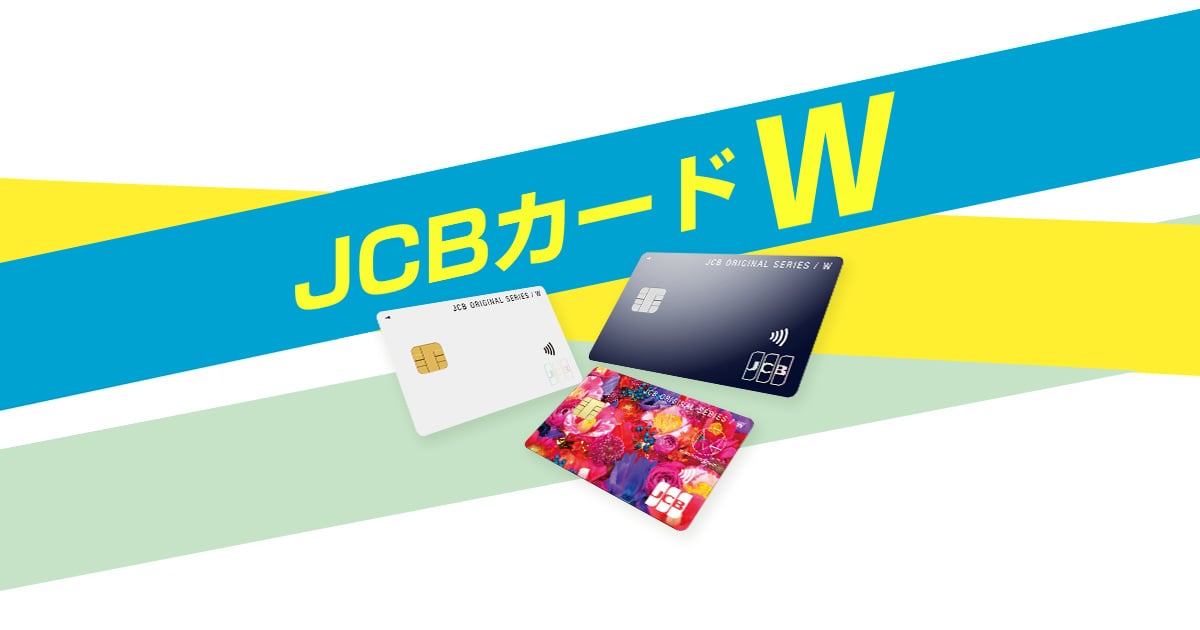
【公式】JCB カード W 年会費永年無料!高還元率!新規入会はこちら | クレジットカードなら、JCBカード
www.jcb.co.jpMitsui Sumitomo Card (NL)
Mitsui Sumitomo Card (NL) stands out with a permanent zero annual fee, a choice of Visa or Mastercard, and advertised instant approval with card number display in as little as 10 seconds. For anyone short on time before departure, the ability to get a number immediately carries serious weight. Physical card delivery is separate, but for completing online payments in advance, the fit is strong.
The choice between Visa and Mastercard makes it easy to designate as a primary card when thinking about overseas merchant coverage. The numberless design also offers a security consideration for those who prefer not to worry about card number management abroad. Among people I know, those who urgently needed a card number for dorm fees or flight-related payments right before studying abroad were the ones who most appreciated instant-issuance cards.
However, the official base reward rate could not be confirmed from search results reviewed here. Travel insurance, including whether it is automatic or usage-based and the specific coverage amounts, also could not be determined within this scope. Mitsui Sumitomo Card's related materials offer well-organized explanations of how travel insurance works, which helps with understanding the concept, but a detailed spec comparison for this specific NL card was not possible.
Cash advance and overseas ATM details, including availability and fee figures, were also unconfirmed. Mitsui Sumitomo Card (NL) is therefore best suited for those who prioritize issuance speed, brand practicality, and security over insurance or reward rate comparisons. Those who want to decide by the numbers will find the data insufficient from this review alone.
Strengths: free, instant issuance, Visa/Mastercard support, numberless design. Weaknesses: foreign transaction fees and insurance details -- the specifics long-term residents care about most -- are hard to pin down from this comparison alone. For two-card setups, choose either Visa or Mastercard at issuance and supplement with a different brand from another issuer. Whether a single person can hold both brands within the same series was not confirmed here.
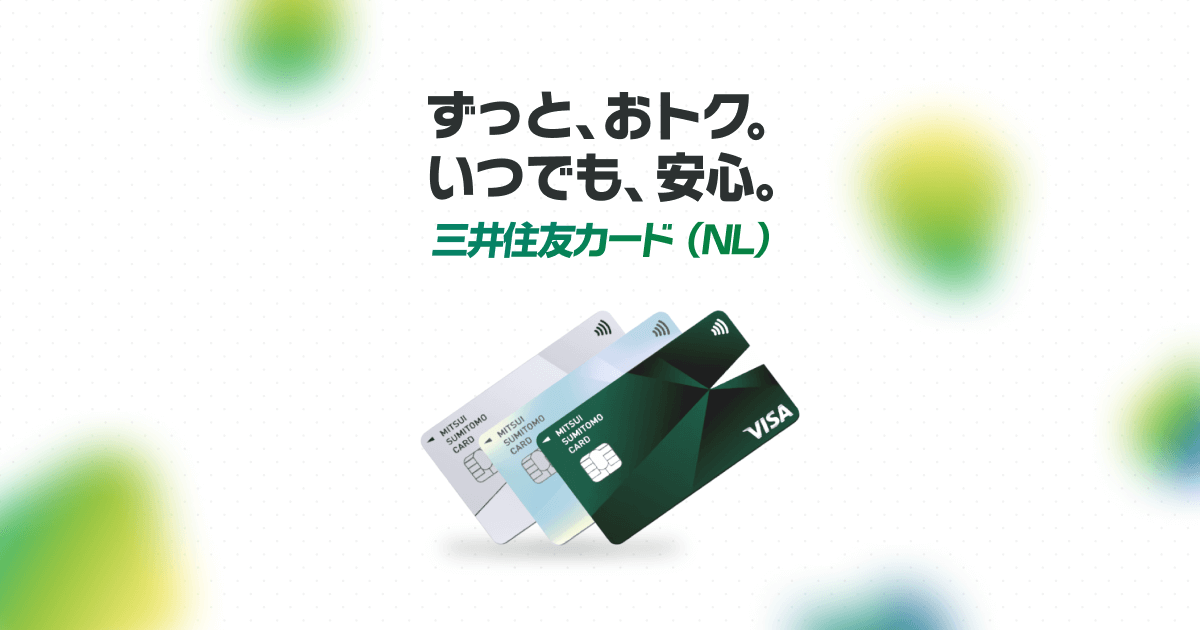
三井住友カード(NL)年会費永年無料|対象コンビニ7%還元ナンバーレスカード
三井住友カード(NL)は年会費永年無料のナンバーレスクレジットカード。対象のコンビニ・飲食店でポイント7%還元、セブン‐イレブンなら最大10%還元。タッチ決済対応で安心・便利。最短10秒で即時発行、スマホで簡単管理。
www.smbc-card.comSaison Blue Amex
Saison Blue Amex is a card for those who want to lean into travel-oriented perks. The international brand is American Express. Online applications come with a first-year-free promotion, and third-party sources reference age-based fee structures (e.g., "free until age 26 / 3,300 yen (~$22 USD) after 26"). Since age-based annual fee terms can change, confirm the latest details on the official page before applying (information confirmed: March 15, 2026).
This card's strength lies in the travel-context perks that come with an AMEX partnership. Complimentary luggage delivery and other travel benefits draw attention, and they pair well with the heavy travel load around departure for study abroad. Neverland Points (points with no expiration) also align well with Working Holiday preparation, where you are not trying to burn through points on a short timeline. During periods of frequent long-distance travel, I found myself factoring in "will this card make airport logistics a bit smoother?" alongside raw reward rates. In that sense, Saison Blue Amex is less about spreadsheet numbers and more about smoothing out the travel experience.
On the other hand, American Express's merchant network is not as all-encompassing as Visa or Mastercard, so it does not suit a one-card setup. AMEX has appeal as a secondary card, but for broadly covering rent, local shops, and sole-proprietor businesses, a Visa or Mastercard foundation is more stable.
Travel insurance is referenced with mentions of higher coverage, but whether it is automatic or usage-based, and the full coverage breakdown, could not be clearly established in this review. Foreign transaction fees, cash advance details, and overseas ATM conditions were also unconfirmed. This means it is less a card for nailing down insurance and cash logistics by the numbers and more a card to evaluate on perks and travel compatibility.
Best suited for: those who can take advantage of age-based fee benefits, those who value airport and travel perks, and those who already have a Visa/Mastercard primary in place. Not suited for: those who want a completely free setup, or those who plan to make AMEX their sole card. Strengths: travel perks, never-expiring points, travel satisfaction. Weaknesses: merchant versatility and difficulty comparing overseas cost specifics. For two-card setups, adding Saison Blue Amex as a secondary to a free Visa or Mastercard is the most natural pairing.
Quick Comparison: Insurance, Fees, Brand, and Issuance Speed
The table below aligns the factors most relevant to study abroad and Working Holiday use under the same criteria, based on information available as of March 2026. Note that entries like "undisclosed" or "insurance available" include items where detailed specifications could not be confirmed through snippet-level search results. For critical items such as insurance classification (automatic/usage-based), coverage amounts, and foreign transaction fees, always confirm the latest information on each card's official page (insurance policy documents, overseas usage guides). Information confirmed: March 15, 2026.
| Card | Annual Fee (tax incl.) | International Brand | Base Reward Rate | Foreign Transaction Fee | Insurance | Cash Advance / Overseas ATM | Issuance Speed | Fit |
|---|---|---|---|---|---|---|---|---|
| Epos Card | Free for life | Visa | Undisclosed | Undisclosed | Travel insurance referenced. Coverage type and amounts unconfirmed. General credit card insurance context: up to 3 months per trip | Detailed conditions unconfirmed from official search results | Same-day issuance noted in third-party sources. Minimum time unconfirmed officially | Good for: Holding a Visa at no cost. Not ideal for: Those who want to compare fees and insurance by the numbers |
| Rakuten Card | Free for life | Multiple brands available | 1% | Undisclosed | Travel insurance referenced. Standard card coverage type and amounts unconfirmed. General context: up to 3 months per trip | Detailed conditions unconfirmed from official search results | Minimum days unconfirmed from official search results | Good for: Those wanting 1% rewards with a free card. Not ideal for: Those who need insurance details locked in first |
| JCB CARD W | Free for life | JCB | ~1% equivalent | Undisclosed | Travel insurance referenced. Coverage type and amounts unconfirmed. General context: up to 3 months per trip | Detailed conditions unconfirmed from official search results | Card number issuance advertised in as little as 5 min | Good for: Under-40s wanting a high-reward secondary card. Not ideal for: Those planning a single-card overseas setup |
| Mitsui Sumitomo Card (NL) | Free for life | Visa / Mastercard | Undisclosed | Undisclosed | Insurance-related documentation available. Coverage type and amounts unconfirmed. General context: up to 3 months per trip | Detailed conditions unconfirmed from official search results | Approval and card number display advertised in as little as 10 sec | Good for: Those who urgently need a card number before departure; those wanting Visa/Mastercard as primary. Not ideal for: Those who want to compare rewards and coverage by the numbers |
| Saison Blue American Express Card | First year free with online application. Standard annual fee from year 2 onward | American Express | Not clearly confirmed from official search results | Undisclosed | Travel insurance and travel perks referenced. Coverage type and full breakdown unconfirmed. General context: up to 3 months per trip | Detailed conditions unconfirmed from official search results | Fast issuance noted but minimum time unconfirmed from official search results | Good for: Those who prioritize travel perks; those reinforcing a secondary card. Not ideal for: Those who prioritize zero cost and maximum merchant coverage |
How to Read This Table
This table is less about identifying a single winner and more about seeing which cards remain when you prioritize a specific factor. If departure is imminent, cards with fast number issuance like Mitsui Sumitomo Card (NL) and JCB CARD W surface first. If overseas usability is the priority, Visa and Mastercard take center stage, with JCB CARD W and Saison Blue Amex settling into secondary roles.
The insurance column is particularly difficult to judge by numbers alone. As outlined in Mitsui Sumitomo Card's insurance documentation, credit card travel insurance distinguishes between automatic and usage-based coverage, with a standard framework of up to three months per trip. Since stays beyond 90 days are common for study abroad and Working Holidays, "insurance available" in the table does not imply full coverage for the entire stay. This was one of the most common misconceptions I encountered when advising people. If you paid for your transit to the airport or your flight with a different card, a usage-based policy may not activate -- the payment method at departure changes the insurance equation.
A rough positioning of each card: Rakuten Card and Mitsui Sumitomo Card (NL) are accessible free primary candidates; JCB CARD W is a high-reward secondary candidate; Epos Card offers easy Visa access with a helpful overseas support context; and Saison Blue Amex is a travel-perk reinforcement card. With JCB reporting an 87% credit card ownership rate and an average of 2.8 cards per person in Japan, splitting roles across cards is more practical than relying on a single one.
クレジットカードの付帯保険とは?適用条件や補償内容、使い方を解説|クレジットカードの三井住友VISAカード
www.smbc-card.comForeign Transaction Fees and Exchange Rate Notes
Foreign transaction fees are easier to navigate when you resist judging by brand name alone. "Visa is expensive" or "JCB is cheap" is less useful than asking which issuer, and which specific card. Even within Visa, conditions differ from card to card, and the same goes for Mastercard. Published comparison ranges span from about 1.6% to 3.85%, and in practice, "issuer differences" outweigh "brand differences."
Exchange costs are hard to notice while traveling but show up clearly on your statement after returning home. On 50,000 yen (~$333 USD) in monthly overseas spending, a 1.6% fee comes to roughly 800 yen (~$5 USD), while a 3.85% fee reaches about 1,900 yen (~$13 USD). What I noticed during my Working Holiday was not any single transaction but the cumulative gap at the end of the month -- rent, groceries, transit, subscriptions all adding up. When debating between free cards, annual fee tends to dominate the conversation, but for longer stays, this column actually carries more weight.
The insurance fields in the table, covering automatic vs. usage-based conditions and coverage details, are easy to misread without consulting each card's individual page. Treat the comparison table as a starting point for direction, and always verify insurance conditions on the official site's latest listing. Standard cards in particular often confirm that insurance exists without surfacing the coverage details at a glance, so the table serves as an entry point for comparison rather than a definitive answer.
Is Credit Card Travel Insurance Enough for Study Abroad or a Working Holiday?
The Difference Between Automatic and Usage-Based Coverage
Credit card travel insurance is quite useful for short overseas trips. In the context of study abroad and Working Holidays, though, knowing under what conditions it activates -- not just whether it exists -- is essential to avoiding misjudgments. The most critical distinction is between automatic and usage-based coverage.
Automatic coverage applies simply because you hold the card. Usage-based coverage, by contrast, only activates once you have paid qualifying travel expenses -- such as airfare or transit to the airport -- with that specific card. Mitsui Sumitomo Card's insurance documentation draws this distinction clearly. Even when a comparison table says "travel insurance included," if the policy is usage-based and the payment conditions are not met, the practical implications are very different.
This gap shows up directly in how you handle pre-departure payments. Even if you have settled on Mitsui Sumitomo Card (NL) or Rakuten Card as a primary Visa or Mastercard, paying for the flight with a different card or via bank transfer could leave the expected coverage inactive. The same applies to JCB CARD W or Saison Blue American Express Card if chosen for their insurance or travel perks. International brand, annual fee, and issuance speed tend to grab attention, but when insurance is the motivation for holding a card, verifying these conditions becomes the actual top priority.
Among the people I have advised, the belief that "I got the card, so insurance is covered" was hardly unusual. Cards like Mitsui Sumitomo Card (NL) with its 10-second number display or JCB CARD W with its 5-minute number issuance are genuinely appealing for their speed. But having a card issued quickly and meeting the insurance conditions are two separate things. Issuance speed provides reassurance, but it does not substitute for the insurance activation requirements themselves.
The Duration and Coverage Ceiling
The biggest reason credit card travel insurance alone falls short for study abroad and Working Holidays is the limited coverage period. As noted in Mitsui Sumitomo Card's documentation, credit card travel insurance generally applies for a maximum of three months per trip. That works for a short trip, but creates a gap for stays beyond three months.
A three-month language program, for example, might fit within credit card insurance coverage. But for a Working Holiday of six months or a year, what happens from day 91 onward cannot be ignored. The free cards in this comparison -- Epos Card, Rakuten Card, JCB CARD W, Mitsui Sumitomo Card (NL) -- are all easy to hold, and Saison Blue Amex offers richer travel features. Even so, when evaluated as long-stay insurance, the limitation is not about any individual card's quality but about the system being designed for short trips.
Coverage amounts present another barrier. While the standard cards reviewed here all reference travel insurance, specifics like automatic vs. usage-based classification, maximum treatment costs, and cashless hospital access could not be assembled within the scope of this comparison. This is the frustrating part for study abroad and Working Holiday planning: comparison axes like international brand, foreign transaction fees, cash advance availability, annual fee, and issuance speed are all visible, but the medical coverage that matters most requires deeper reading.
Picturing an actual hospital visit makes the difference concrete. If you develop a high fever or stomach trouble and need medical attention, insurance with cashless hospital access means you are not told at reception to "pay the full amount upfront and file for reimbursement later." Without it, on top of the stress of explaining symptoms in a foreign language, anxiety about the bill piles on instantly. Over the course of long stays, I have found that the ability to reduce this psychological burden matters far more than expected. When you are sick, the capacity to calmly read through insurance terms disappears.
A side-by-side comparison clarifies the distinction between credit card insurance and dedicated study abroad / Working Holiday insurance:
| Factor | CC Insurance (Automatic) | CC Insurance (Usage-Based) | Study Abroad / WH Insurance |
|---|---|---|---|
| Activation | Card ownership | Must pay qualifying travel costs with the card | Enrollment required |
| Coverage Scope | Tends toward minimal to moderate | Tends toward minimal to moderate | Broader, designed for long stays |
| Duration | Example: up to 3 months per trip | Example: up to 3 months per trip | Designed to match long stays |
| Treatment Cost Cap | Varies widely by card | Varies widely by card | Long-stay plans available with higher caps |
| Cashless Hospital Access | Depends on card and partner network | Depends on card and partner network | Many products support this |
| Cost | May be included in the annual fee | May be included in the annual fee | Separate insurance premium required |
When Dedicated Study Abroad or Working Holiday Insurance Is Needed
For long stays, treating credit card travel insurance as a supplement is more realistic. As a rough guide, stays beyond three months make it difficult to rely on credit card insurance alone for the entire period. Working Holidays in particular -- centered on ages 18 to 30 -- involve a mix of employment, housing searches, travel, and relocation that makes health issues harder to predict. The preparation required differs from a short sightseeing trip.
Dedicated insurance is worth considering, first, whenever the stay exceeds 90 days. It also applies to those planning to work on-site, those with inter-city or cross-border travel planned, and those with pre-existing conditions or medical concerns -- all of whom may find credit card insurance alone insufficient. At the card selection stage, anchoring on Visa or Mastercard with JCB or American Express as a secondary is sound, and cash advance availability directly affects overseas ATM usability. But that is security for payments -- it does not fill the gap in long-term medical coverage.
One easily overlooked aspect is the overall cost picture. Free cards are approachable, and some offer fast issuance. Mitsui Sumitomo Card (NL) has its instant-issuance advantage, and Epos Card is noted for same-day issuance possibilities. Rakuten Card offers a permanent zero annual fee with 1% rewards. JCB CARD W is strong on points with no annual fee. These cards are all convenient for daily spending, but leaning on them for insurance too tends to result in "discovering the gap on the ground." Separating the card's role from the insurance's role leads to cleaner planning in most cases.
Timing Your Insurance Enrollment
For long-term coverage, when you enroll matters as much as what you enroll in. Many study abroad and Working Holiday insurance products require enrollment before departure, and mid-stay enrollment starting from day 91 may not be available. The plan of coasting on credit card insurance for the first three months and then figuring out the rest if needed tends to stall in practice.
This ties into the priority order of departure preparation. Choose the card based on international brand (Visa or Mastercard as the core), foreign transaction fees, cash advance availability, annual fee, and issuance speed. On top of that, reading through the insurance terms printed in the card's documentation before departure -- "what does the pamphlet or policy actually say?" -- keeps your decisions grounded. Standard cards often make insurance details hard to see, so relying on brand recognition or free status alone does not provide enough security for study abroad or Working Holiday use.
The single factor I have found to create the biggest difference in long-stay preparation is whether these conditions are settled before departure, not after. Cards remain highly useful after arrival for payments, cash advances, and daily transactions. Insurance, however, is the one area that is hardest to patch retroactively, so approaching it with a short-trip mindset tends to be where study abroad and Working Holiday preparation goes wrong.
Recommended Setups by Purpose: Students, Working Holidays, and First-Time Long Stays
For Students and Younger Travelers
For the first study abroad or Working Holiday experience, being able to hold cards at no annual fee and easily build a two-card setup matters enormously. Working Holidays center on ages 18 to 30, and rather than overreaching with the first card, splitting roles between a primary and a secondary reduces mistakes. With credit card ownership at 87% and an average of 2.8 cards per person in Japan, carrying two cards for an overseas stay is not unusual at all.
An accessible combination: Mitsui Sumitomo Card (NL) or Rakuten Card as the primary, with JCB CARD W as the secondary. Mitsui Sumitomo Card (NL) offers a choice of Visa or Mastercard, making it easy to prioritize merchant coverage. Rakuten Card also supports multiple brands, carries a permanent zero annual fee, and offers a visible 1% standard reward rate -- a good match for daily spending. Layering JCB CARD W on top adds brand diversification at no cost, with the caveat of the under-40 enrollment requirement.
The strength of this combination is role clarity. Visa or Mastercard as primary, JCB as secondary -- this structure minimizes the chance of being stuck at a store, transit system, or online checkout. JCB's variable acceptance by region makes it hard to recommend as a sole primary, but as a secondary that includes JCB-affiliated services and Japanese-language support, it serves a real purpose.
Insurance is another area younger travelers should sort out early. Standard cards in this comparison reference travel insurance, but automatic vs. usage-based classification and coverage specifics could not be confirmed for many of them from search results. For a first study abroad trip or Working Holiday, rather than making credit card insurance the centerpiece, building the card setup around payment capability and emergency backup is more practical.
On issuance speed, those with departure approaching will find the Mitsui Sumitomo Card (NL) and JCB CARD W combination particularly workable. Mitsui Sumitomo Card (NL) advertises a 10-second approval and number display, and JCB CARD W advertises 5-minute number issuance. For younger travelers, choosing based on zero annual fee, brand diversification, and ease of two-card setup keeps the decision stable.
For Those Prioritizing Insurance
When insurance comes first, assembling a setup beyond free cards alone -- building around Saison Blue American Express Card or Rakuten Premium Card -- is a better fit. Rakuten Premium Card (annual fee of 11,000 yen / ~$73 USD, tax included) has confirmed automatic travel insurance coverage. Saison Blue American Express Card also carries strong travel-perk and insurance positioning. The question is not whether to spend money but how much weight you place on insurance and travel services.
A workable combination: Saison Blue American Express Card as the anchor, with Mitsui Sumitomo Card (NL) on Visa or Mastercard as the secondary. AMEX offers appeal on the perks side, but for primary payment stability, Visa and Mastercard provide broader merchant coverage. Anchoring the insurance and travel perks on an AMEX card while securing payment redundancy with Visa/Mastercard is a practical split.
For this profile, whether the insurance is manageable in terms of automatic vs. usage-based classification also matters. Automatic coverage applies from card ownership alone, simplifying pre-departure preparation. Usage-based coverage requires that qualifying travel expenses are paid with the card, adding a layer of condition management. Study abroad preparation involves parallel arrangements for housing, flights, and local finances, so complex insurance conditions are easy to miss.
For long stays, however, credit card insurance alone does not close the coverage gap, as discussed earlier. An insurance-focused card combination strengthens the initial travel period and the reassurance of early arrival. When considering the possibility of needing medical care overseas, having a payment backup is one kind of security, and having insurance entry points organized is another -- they contribute to peace of mind in different ways.
From a cost perspective, this setup is more expensive than an all-free-card approach, but for insurance-focused users, that is the core of the value. Issuance speed can be supplemented by including an instant-issuance card like Mitsui Sumitomo Card (NL) as the secondary. Building the pre-arrival framework around an insurance-oriented card while covering merchant breadth with a separate brand is the realistic path.
For Those Prioritizing Overseas ATM and Cash Advances
In the first days after arrival, there are situations where cash is needed before card payments even come into play. During my first week in Australia, prepaid rent, a deposit, and transit card top-ups all stacked up, and cash went out faster than expected. Even where stores accept cards, housing-related payments can require cash or bank transfers, and having one card that can pull cash from an overseas ATM significantly improves your ability to move.
For this use case, a Visa or Mastercard primary with a card that supports cash advances is the way to go. Candidates include Mitsui Sumitomo Card (NL), Rakuten Card, and Epos Card. All reference overseas usage, but within the scope of this comparison, detailed cash advance availability, ATM fees, interest rates, and early repayment methods were not confirmed. Choosing based on brand breadth and two-card accessibility is therefore more practical than trying to compare numbers.
A workable combination: Mitsui Sumitomo Card (NL) or Epos Card as the primary, Rakuten Card as the secondary. Epos Card is easy to hold on Visa with overseas support desk documentation available. Mitsui Sumitomo Card (NL) offers a Visa/Mastercard choice, making it usable as a primary for both ATM and regular transactions. Rakuten Card, with its multiple brand options, creates a fallback for daily spending.
When ATM access is the priority, the evaluation axes are clear: Can cash advances be made? Does the card work at overseas ATMs? Can repayment be accelerated? A card that makes early repayment easy keeps interest costs low over a long stay -- a quiet but real advantage. A card without a cash advance limit, or one where overseas ATM usability is unclear, limits your flexibility in the crucial first week.
💡 Tip
Cashless adoption is widespread overseas -- JCB's 2024 report page notes a 95% cashless usage rate -- but the ramp-up period of a long stay is different. Housing searches, move-in costs, and transit can require cash, and having one card with cash advance capability stabilizes your first moves.
For ATM-focused users, splitting the secondary onto JCB CARD W for full brand diversification is an option. However, if the priority is ATM and in-store usability right after arrival, leaning both cards toward Visa or Mastercard tends to provide more consistent performance.
For Those Focused on Zero Annual Fees and Cost Efficiency
Cost-conscious users can build their baseline from the free tiers of Mitsui Sumitomo Card (NL), Rakuten Card, JCB CARD W, and Epos Card. Free cards are easy to adopt, and even students or first-time long-stay travelers can start holding them without friction. What matters here is not just whether the annual fee is zero but whether the foreign transaction fees, insurance terms, and brand combination are acceptable.
Straightforward pairings: Rakuten Card as primary with JCB CARD W as secondary, or Mitsui Sumitomo Card (NL) as primary with Epos Card as secondary. Rakuten Card, with its permanent zero fee and visible 1% standard reward rate, offers clarity for daily spending. JCB CARD W, free for under-40 enrollees with ~1% rewards, sits naturally in a secondary slot. Mitsui Sumitomo Card (NL) and Epos Card are both free and pair as Visa/Mastercard plus Visa -- straightforward to manage.
The tricky part of cost-first planning is insurance. Free cards do reference travel insurance, but automatic vs. usage-based classification and coverage amounts are not visible for several cards, making it difficult to build a complete insurance picture from free cards alone. The real strength of free cards lies in creating brand diversification and payment redundancy without annual fee overhead.
Foreign transaction fees are also important for cost efficiency, but specific rates could not be assembled across the board from official search results in this comparison. "Visa is cheap" or "JCB is expensive" is less accurate than looking at issuer-level differences. When choosing between free cards, reward rates tend to dominate the discussion, but for longer stays, this fee gap affects living costs more directly.
Factoring in issuance speed, Mitsui Sumitomo Card (NL) and JCB CARD W are among the faster options in the free tier. Epos Card is also noted for same-day issuance, absorbing delays in departure preparation while keeping costs at zero. The right question for a cost-first setup is not just whether two cards can be held for free but whether two free cards actually work in practice.
For Those Who Need Cards Fast Before Departure
When departure is imminent, the question shifts from which card is best to whether a two-card setup can be completed before you leave. For a long overseas stay, carrying only one card means there is no fallback if delivery is delayed or the card is restricted. When speed is the priority, starting with cards that offer digital or instant issuance is the realistic approach.
The most accessible combination: Mitsui Sumitomo Card (NL) as primary, JCB CARD W as secondary. Mitsui Sumitomo Card (NL) advertises approval and card number display in as little as 10 seconds, and JCB CARD W advertises card number issuance in as little as 5 minutes. Both let you start using the number for online payments quickly, and the brands split between Visa/Mastercard and JCB.
An alternative: Mitsui Sumitomo Card (NL) and Epos Card. Epos Card is noted for same-day issuance, which appeals to those who prioritize getting the physical card in hand. Pre-departure is when payments pile up -- flights, accommodation, insurance, connectivity -- so splitting between one card with instant digital issuance and another with fast physical delivery is a practical structure.
Even with speed as the priority, issuance time is not the only axis. International brand, annual fee, travel insurance terms, and cash advance availability all factor in to whether a quickly issued card deserves to stay as your primary. Mitsui Sumitomo Card (NL) pairs broad Visa/Mastercard acceptance with instant issuance, making it a clear primary candidate in a rush. JCB CARD W brings speed and zero cost but works more naturally as a secondary overseas.
For last-minute preparation, the practical sequence is: use the first card issued to handle online payments, and have both physical cards in hand by departure. Under time pressure, it is tempting to decide on annual fee and brand alone, but for a long stay, foreign transaction fees, insurance coverage type, and ATM usability are what matter once you are on the ground. Reviewing all five patterns above should clarify whether your situation calls for the "free cards" approach, the "insurance and ATM priority" approach, or something in between.
Pre-Application Checklist
Required Documents and Bank Account
Before applying, have your identity documents and a bank account in your name ready. Standard identity documents include a driver's license or passport -- anything that confirms your name, date of birth, and current address. Many applicants preparing for overseas travel already have a passport handy, but checking that the address on it matches the application is worth doing to avoid stalling the process. Some issuers allow online bank account registration, and for instant-issuance cards like Mitsui Sumitomo Card (NL), how smoothly account setup goes can affect your initial timeline.
Students may face a few extra verification items. Even with student-friendly cards, enrollment confirmation may be required, so having your school name and enrollment status ready to enter saves time. Among the people I have advised before study abroad, having ID prepared but not the bank branch name or account number -- and pausing the application mid-flow -- was not uncommon. The application itself takes only minutes on a smartphone, but small missing details like these are surprisingly common causes of interruption.
Deciding on the international brand at this stage also reduces indecision later. For study abroad and Working Holidays, Visa or Mastercard as the primary is the straightforward choice. Both have extensive global merchant networks and minimize friction from day one. JCB CARD W offers reward appeal but is better suited as a secondary given regional acceptance gaps overseas. Saison Blue American Express Card has perks worth considering, but acceptance varies by destination. Settling on a framework of Visa or Mastercard as primary, with JCB or Amex as a complementary secondary before applying keeps things clean.
Issuance Timeline
Issuance timelines vary significantly by card. Mitsui Sumitomo Card (NL) advertises approval and card number display in as little as 10 seconds, and JCB CARD W advertises card number issuance in as little as 5 minutes. However, including physical card delivery, a realistic window is same-day to about two weeks. Epos Card is also noted for same-day issuance and is a viable candidate for those who need to get one card up and running quickly.
For study abroad and Working Holidays, though, what matters more than the issuance itself is whether a two-card setup is complete before departure. Factoring in screening, shipping, receipt, app setup, and PIN confirmation, trying to handle everything in the final week before departure gets hectic. A safer approach: finish the application itself one to two months before departure. Accounting for busy periods and potential identity verification delays, this buffer keeps the process calm.
I went through this myself before a Working Holiday, once thinking "digital issuance means I can manage even at the last minute." In reality, there were several things I wanted to verify after the physical card arrived. If overseas ATM use is part of the plan, the PIN needs to be committed to memory. Secondary card management also benefits from advance planning. Applying for two cards early and assigning roles beats rushing to produce one card at the eleventh hour -- the reduction in pre-departure anxiety is substantial.
💡 Tip
Fees, charges, and insurance conditions are organized here based on March 2026 information. Among the cards compared -- the free-for-life Epos Card, Rakuten Card, JCB CARD W, and Mitsui Sumitomo Card (NL), plus Saison Blue American Express Card with its first-year-free option -- issuance speed and brand positioning differ.
Pre-Departure Setup and Test Transaction
Receiving the card is not the finish line. Completing initial setup before departure significantly boosts real-world usability. Items to check: PIN, overseas usage activation, credit limit, app notifications, identity verification, and spending alerts. For numberless or app-managed cards, confirming that card details are accessible on your phone is also important. Being locked out of your app and unable to view card numbers overseas creates unexpected friction for online payments and accommodation charges.
Running one small test transaction domestically -- at a convenience store or supermarket -- makes it easy to verify card activation and app integration. Checking whether the transaction goes through, the notification arrives, and the charge appears on the statement provides a baseline of confidence. If ATM use is planned, re-confirming the PIN at this point is worthwhile. While you cannot perfectly replicate an overseas ATM experience domestically, at least ensuring you can enter your PIN without hesitation is worth establishing before departure.
I once set up travel notifications and spending alerts in my card app before leaving for Australia. Right after landing, transactions stacked up quickly -- airport, transit, supermarket -- but the advance setup meant the card was not flagged and suspended for suspected fraud. Immediately after arrival overseas, transaction locations and times shift abruptly from domestic patterns, which can look suspicious to the card issuer's fraud systems. Pre-departure app configuration is a small step that pays off considerably.
Security Measures for Overseas Use
During a long stay, avoiding unexpected card freezes matters as much as having a working card. Security items to review: spending alerts, app notifications, usage restriction settings, and travel destination registration. Cards like Mitsui Sumitomo Card (NL), where app integration is strong, benefit from fast notification delivery in practice. For widely used free cards like Rakuten Card and Epos Card, the app also changes how quickly you can spot unauthorized use.
During study abroad and Working Holidays, a fraud-suspicion freeze may occur before actual loss or theft. Especially right after arrival -- airport Wi-Fi, ride-hailing apps, accommodation deposits, small supermarket purchases -- spending locations shift rapidly in a short window. Card issuers flagging this as potential fraud is a natural response. Registering your travel destination if the option exists, and turning on app notifications to catch issues within minutes, are the preparations that make a practical difference.
How you carry the cards also deserves some thought. Stacking both primary and secondary cards in the same wallet means losing the wallet takes out both at once. I kept one card in my everyday wallet and the other in a separate location. Cards add negligible weight regardless of how many you carry, but bundling them without role separation eliminates your fallback. The split of one Visa or Mastercard primary and one card from a different brand or issuer as a secondary makes sense not only for merchant coverage but also for security.
Summary and Next Steps
Choosing a credit card for study abroad or a Working Holiday comes down to a basic structure: one Visa or Mastercard primary, plus one secondary from a different brand or issuer. When comparisons get confusing, resist choosing on fees alone -- verify the insurance coverage conditions and duration on the official page before committing. On the practical side, finishing applications and card receipt one to two months before departure is safer than scrambling at the last minute.
The steps are straightforward: confirm which international brands are widely accepted at your destination, then decide on one primary and one secondary card. From there, review each issuer's official page for insurance activation conditions and coverage duration, and if the stay is long-term, compare dedicated insurance as well.
[Internal link candidates (to be added after publication)]
- Pre-departure checklist (e.g., preparation-card-checklist) -- an article organizing card application timing, required documents, and issuance schedules
This site currently has no published articles. The above are internal link candidates. Once the relevant articles are published, insert links in a natural context.
Related Articles
10 Best Countries to Study Abroad: Compared by Cost and Safety
Rather than picking a study abroad destination based on popularity or price alone, comparing cost and safety side by side leads to better decisions. From firsthand experience, the Philippines kept expenses remarkably low with room and board included, while a working holiday in Australia easily ran a deficit for the first month, and winter rent plus cold-weather gear in Canada pushed the budget well beyond expectations.
8 Cheapest Countries to Study Abroad | Compared by Budget
A year of studying abroad in major English-speaking countries like the US or UK typically runs between 3 to 4.5 million yen (~$19,000-$29,000 USD), but narrowing your search by country and program can bring totals into the 2 million yen range (~$13,000 USD) — and factoring in work options, even below that.
Study Abroad Cost Breakdown by Country: Tuition, Living Expenses, and How to Save
Tuition alone tells you almost nothing about what study abroad actually costs. Only when you add enrollment fees, accommodation placement charges, rent, food, flights, insurance, and visa or ETA fees does the real total come into focus.
Study Abroad While Keeping Your Job: 5 Practical Methods and Costs
Want to study abroad without quitting your job? This guide covers five realistic approaches for working professionals — from short-term paid leave and leave of absence to remote work arrangements — with 2026 cost estimates, visa considerations, and step-by-step preparation timelines.